Ledgerfolio
A B2B web application in the corporate debt administration space.
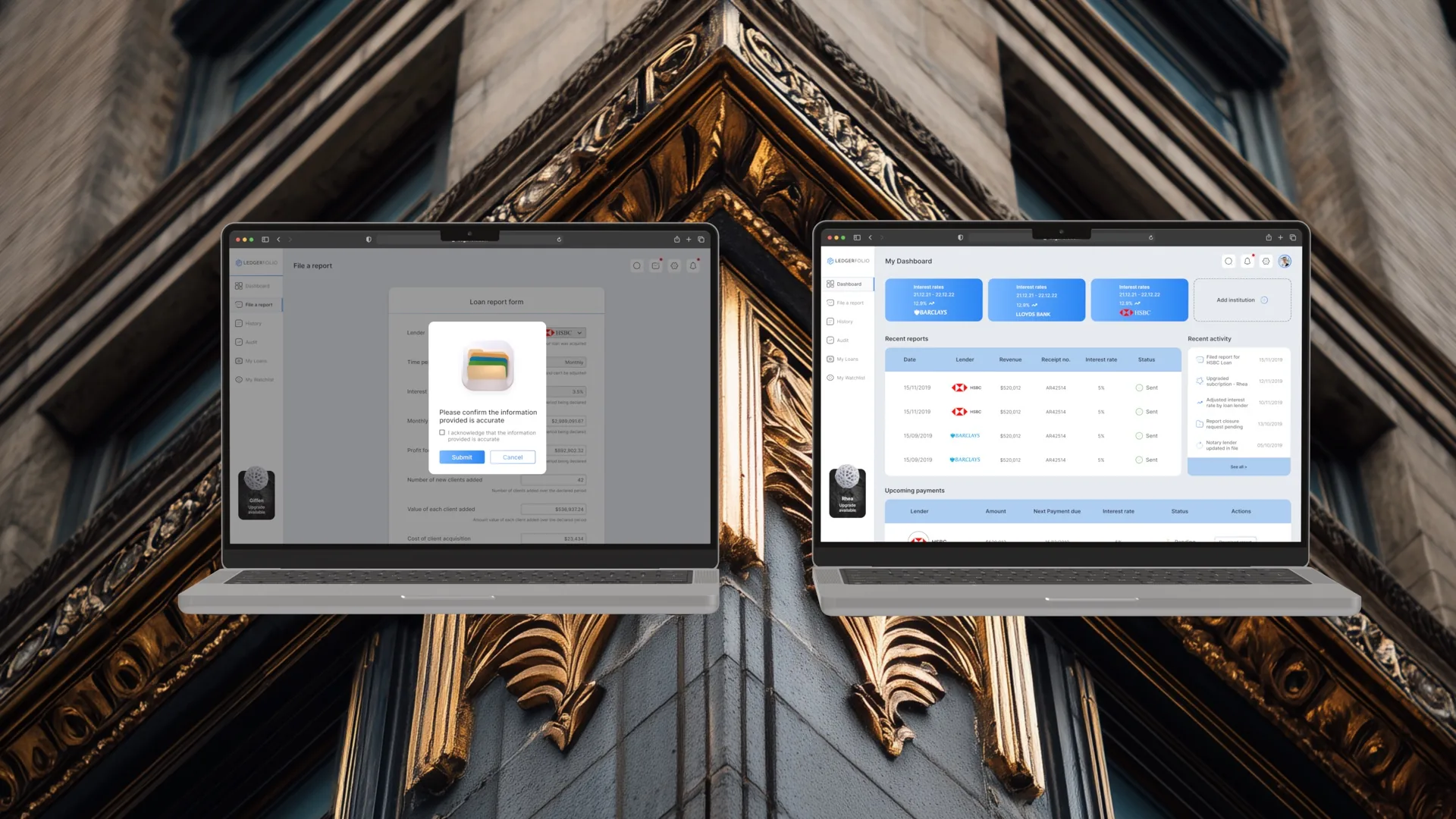
Ledgerfolio is a web application in the debt administration space that specialises in corporate loan settlement. It blends the expertise needed to handle complex loan transactions as a loan agent with new technology to service the trading and settlement of these loans in the secondary market. It offers all the functions of a traditional loan agent with the added kicker of an online platform to allow clients to close their trades quicker. By allowing users to take control of the process, it saves them time, cost, and unnecessary administration.
The problem
The loan market currently doesn't have an end to end system that takes trades from execution to settlement. Most trade settlements are done by pen and paper and quite literally have to be sent in by borrowers as a Word or Excel document and then entered manually into the system by loan agents. In an increasingly automated world, this is a huge gap in the system and is not in keeping with the times or with user needs.
The solution
Building a web application that provides all the traditional agency functions required in loan transactions but with a settlement platform that allows straight through processing (STP) of trades. A platform that covers all aspects of trades, from pre-trade matching to execution and confirmation all the way through to settlement. With everything on one platform, it allows users to close loan trades quickly with minimal effort.
Ledgerfolio's best use case explained
A loan agent administers assets and debt facilities for borrowers. Loan agents often safeguard assets on behalf of lenders, process trades, and maintain a ledger of ownership, like a share register. As a bridge between lenders and borrowers, Ledgerfolio is set up as an independent loan agent. In a loan transaction, Ledgerfolio sits between borrowers and lenders.
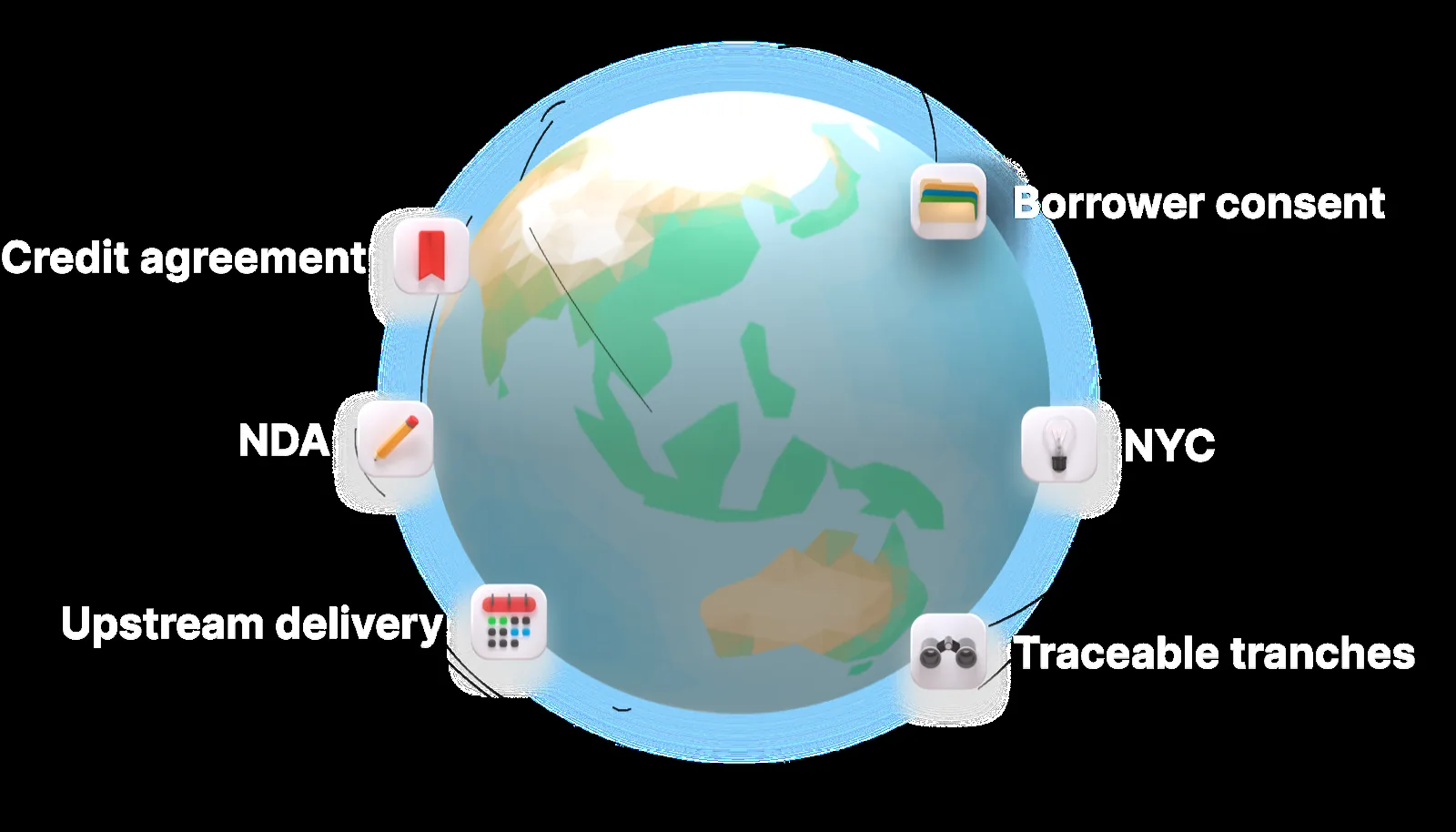
Ledgerfolio is developed to be adapted for syndicated loans and private debt, a proprietary product that offers clients a full suite of digital services for primary syndication, loan closing, and facility/security agency. Bringing this product to market involved making sure that certain steps were in place to provide the same trust factor users were used to. Digitizing a process does not mean abandoning all the aspects of it that gave users confidence.
Narrowing the problem through research
The stakeholders, having a lot of loan market experience, perceived the loan market as a house with broken plumbing. They sought to address the pain points of corporations, banks, and institutional lenders. The loan market requires transparency, liquidity, and fast settlement, yet the current market takes 40 days to settle a loan. Ledgerfolio's aim was to reduce this period significantly.
By filling this gap, Ledgerfolio aimed to make the market more transparent and more liquid. By enabling a more liquid, observable market, the product would expand the number of investors who can buy loans. The benefits are endless, to corporate borrowers who benefit from cheaper rates and to lenders who get a more liquid, clearable product.
The stakeholders' extensive background in the loan market industry greatly helped our search for survey and interview participants. There was already such a perceived gap for a product of this sort that many articles and reports provided a good background for the questions and insights to look for during our research.
A faster settlement window would reduce the difference between loans and bonds. Investors might be attracted to loans that are senior to bonds, but are currently put off by how long loan trades take to settle.
Synthesizing user feedback
Creating a product that some would view as new in the market always brings the issue of uncertainty and generating trust. So understanding a user's wants and needs was crucial in building this product, as it not only provided the blueprint for what features we would develop but also provided the business with research as to what users would feel comfortable paying for.
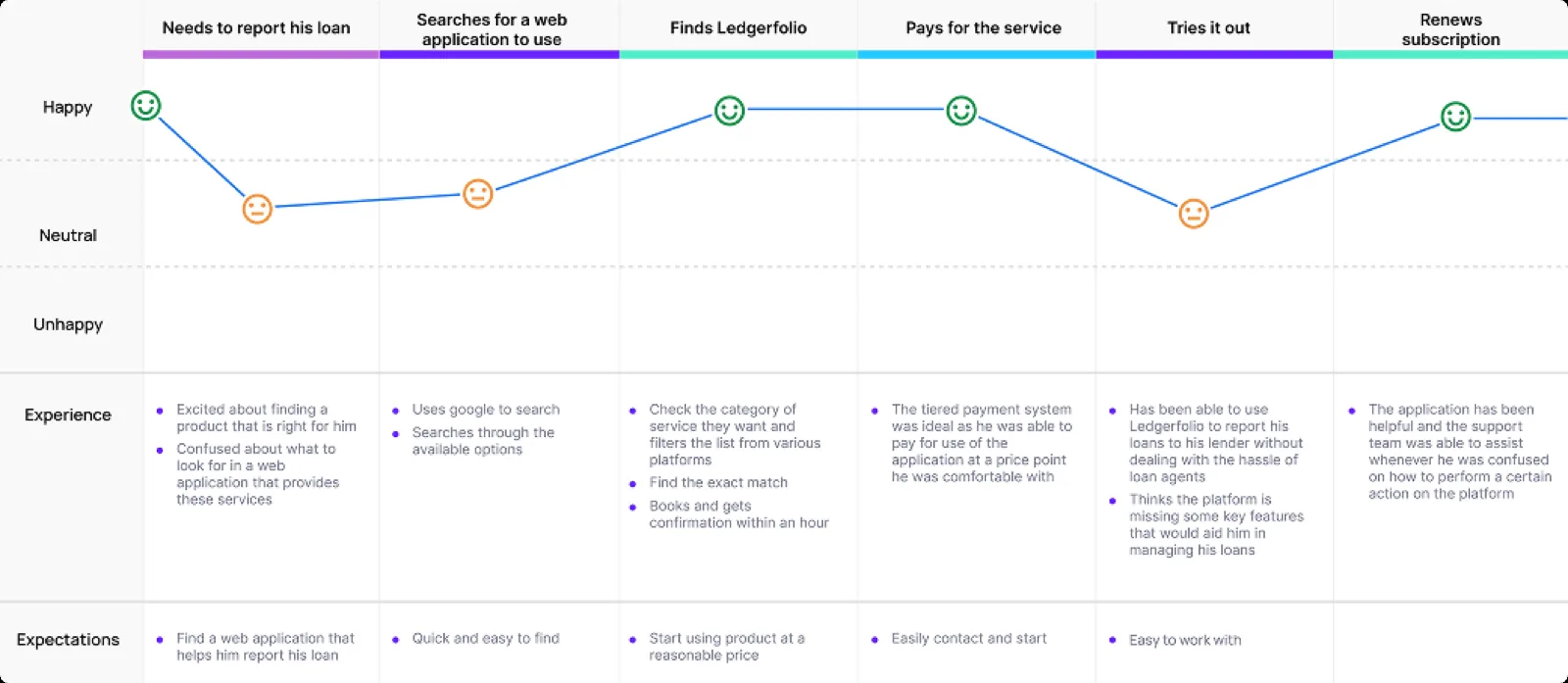
Knowing this, understanding the user journey would not only help us understand the user goal but also what features and navigational elements would help the user reach it.
How might we make the loan trade market more manageable for users?
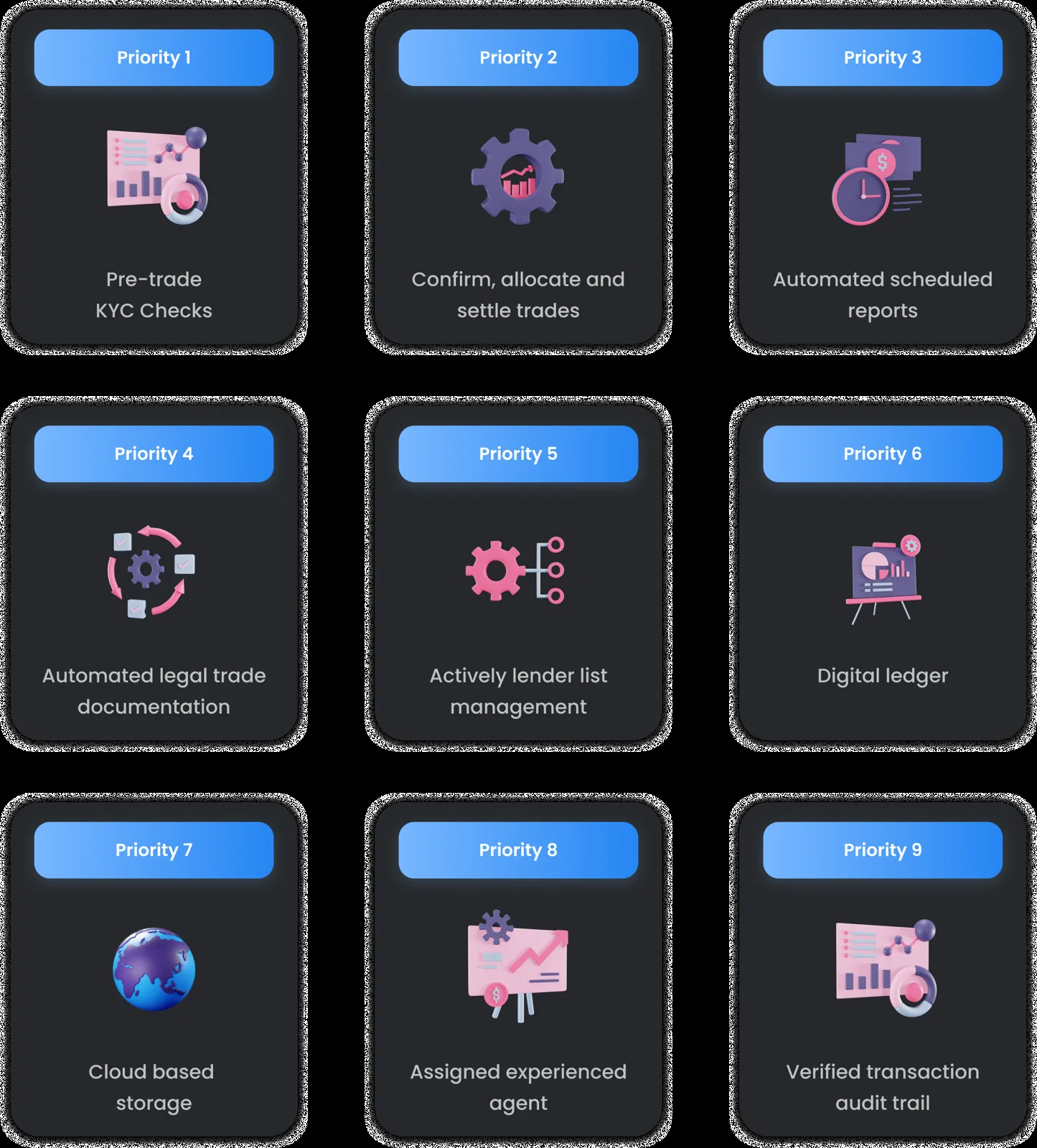
Upon compiling the data from our user research, this was the one key statement that tailored our journey going forward. Unlike bonds and equities, each loan trade requires multiple legal documents to transfer ownership, the user flow required loan closers with specialist knowledge, and loans are not always freely transferable. So while we can't change the features of a loan, our research showed we could design a platform that can:
- Prevent post-trade delays
- Move trade confirmation to settlement within minutes
- Automate workflows around legal title transfer
- Give instant visibility on price and trading volumes
The challenge of reinventing the wheel
The insights from our research helped us understand what users would expect from a platform like this and what features would help them reach their goal and build trust in our product.
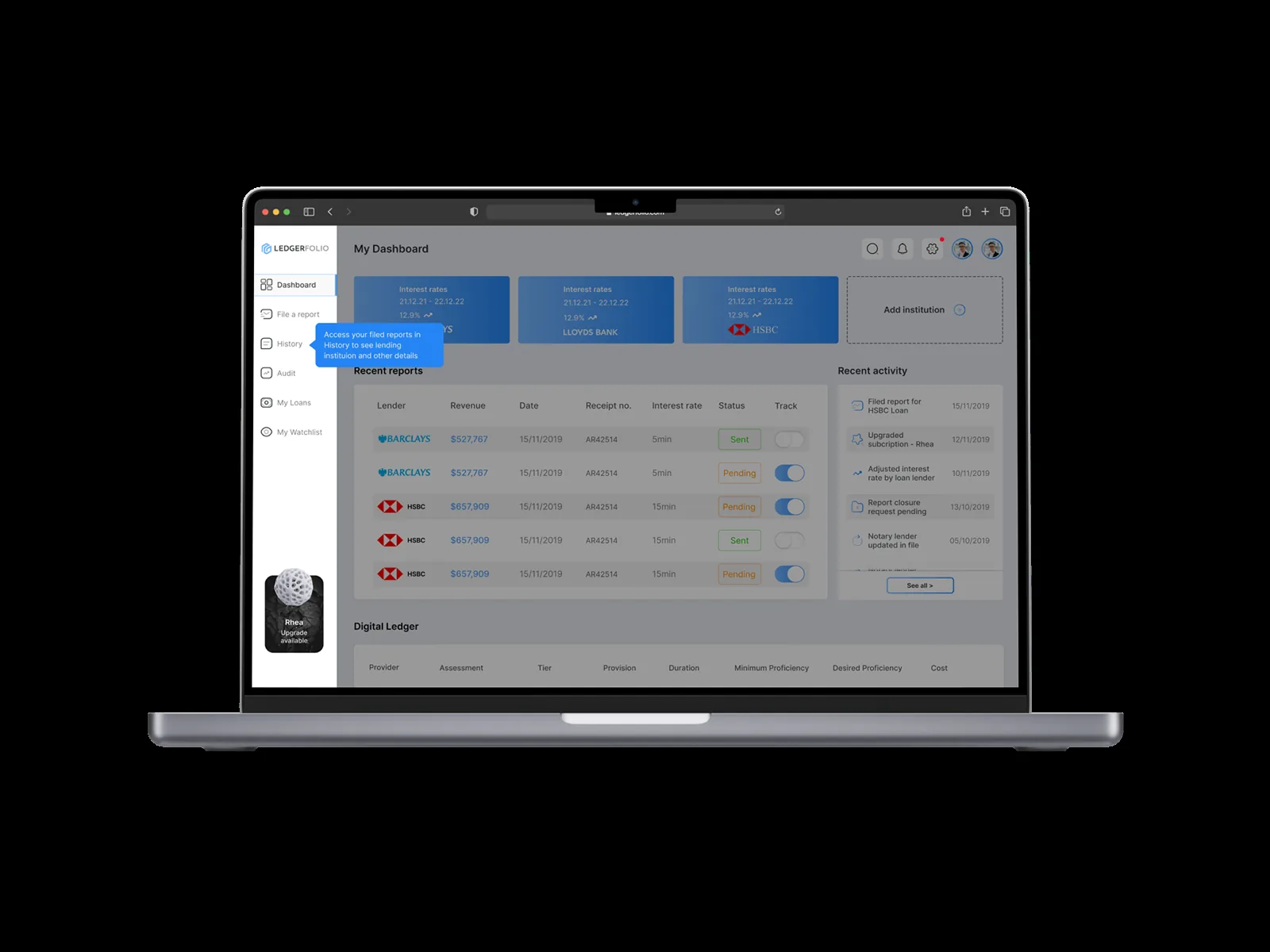
Being a new product without many competitors, a problem we found during user testing was the user's frustration with navigation; users were often bewildered about how to complete their goal, so we carried out a card sorting exercise to better categorize navigational elements.
We also implemented tooltips to aid users in navigation and certain functions, with a toggle so that veteran users who no longer needed help could turn them off rather than feel frustrated by persistently unhelpful information.
Business requirements vs. user needs
Working as a product designer on this project, I had to consider not only the users' needs but also the business's. From conversations with our users, we found that not everyone needed all the features we were providing. We needed to provide the service at a cost where users would feel properly catered to but that was also profitable for stakeholders. In lieu of this, we set up a tiered system where different features would be available at different price points, so a user could enter at a tier they'd be comfortable with without paying a premium for features they'd deem unnecessary.
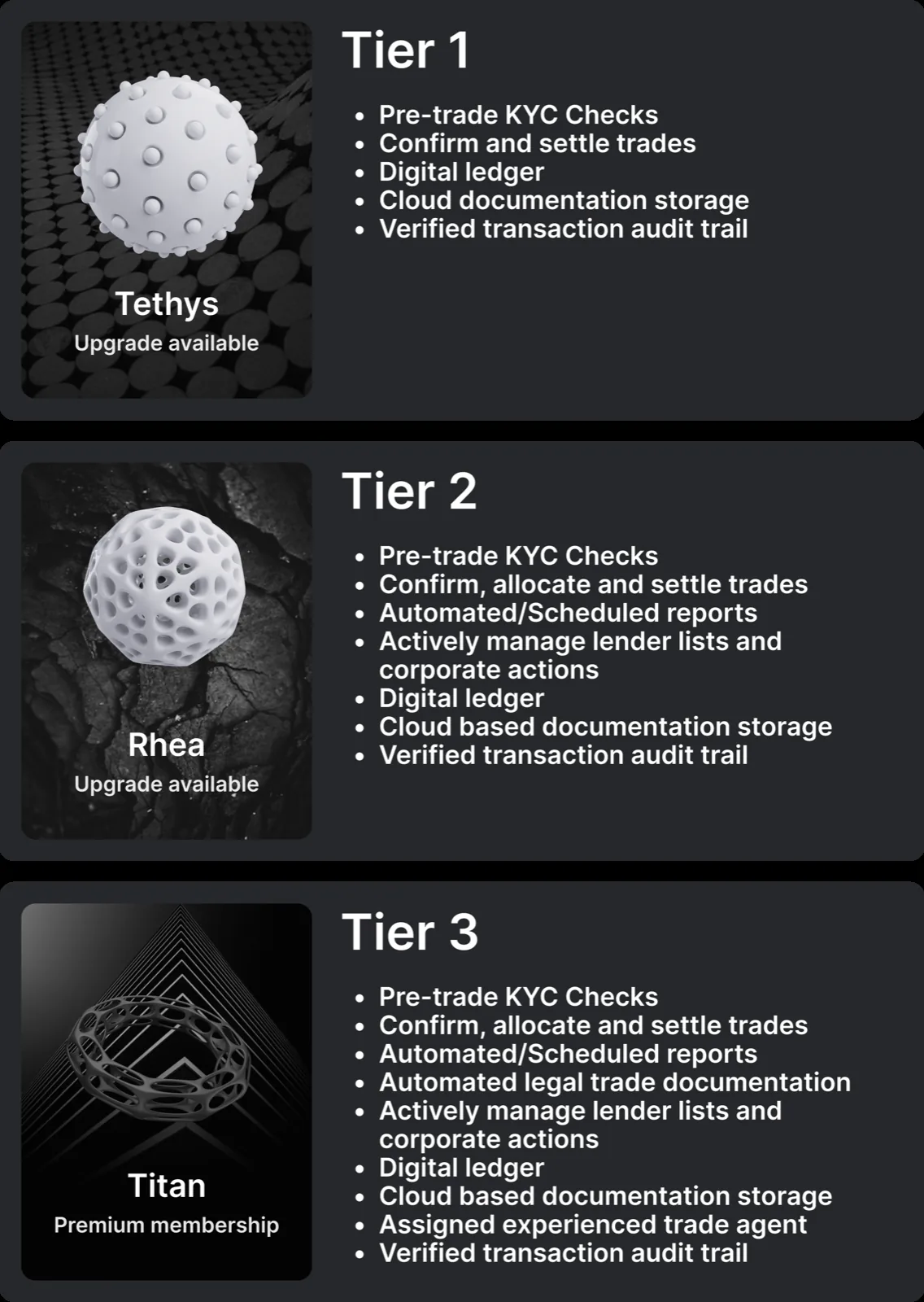
We had initially planned a three-star system to indicate tiers, but during testing users felt they weren't being treated as importantly without all three stars, and that it served as a constant reminder they weren't subscribed to the maximum tier, so we changed the approach.
Iterate, iterate, iterate
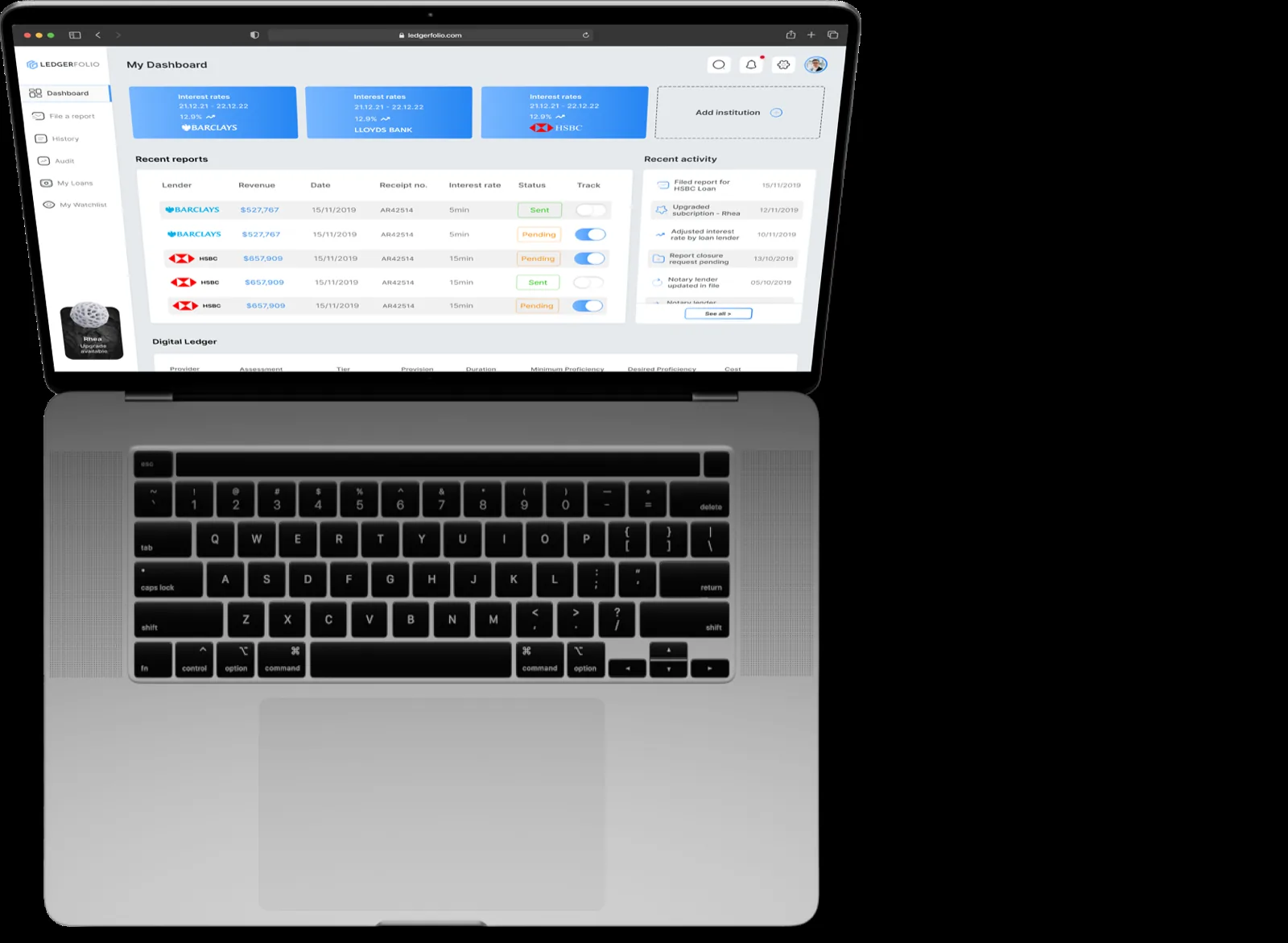
The most crucial part of our design process was understanding what users viewed as important, immediate information that should be understood at a glance without clicking any navigational elements. Our user testing gave differing results that ended in the implementation of a fully customizable dashboard.
Users could either set up their dashboard with the information they deemed important in their loan settlement process, or keep using the application and let the algorithm determine what information would be displayed based on their recent history and actions.
Building trust
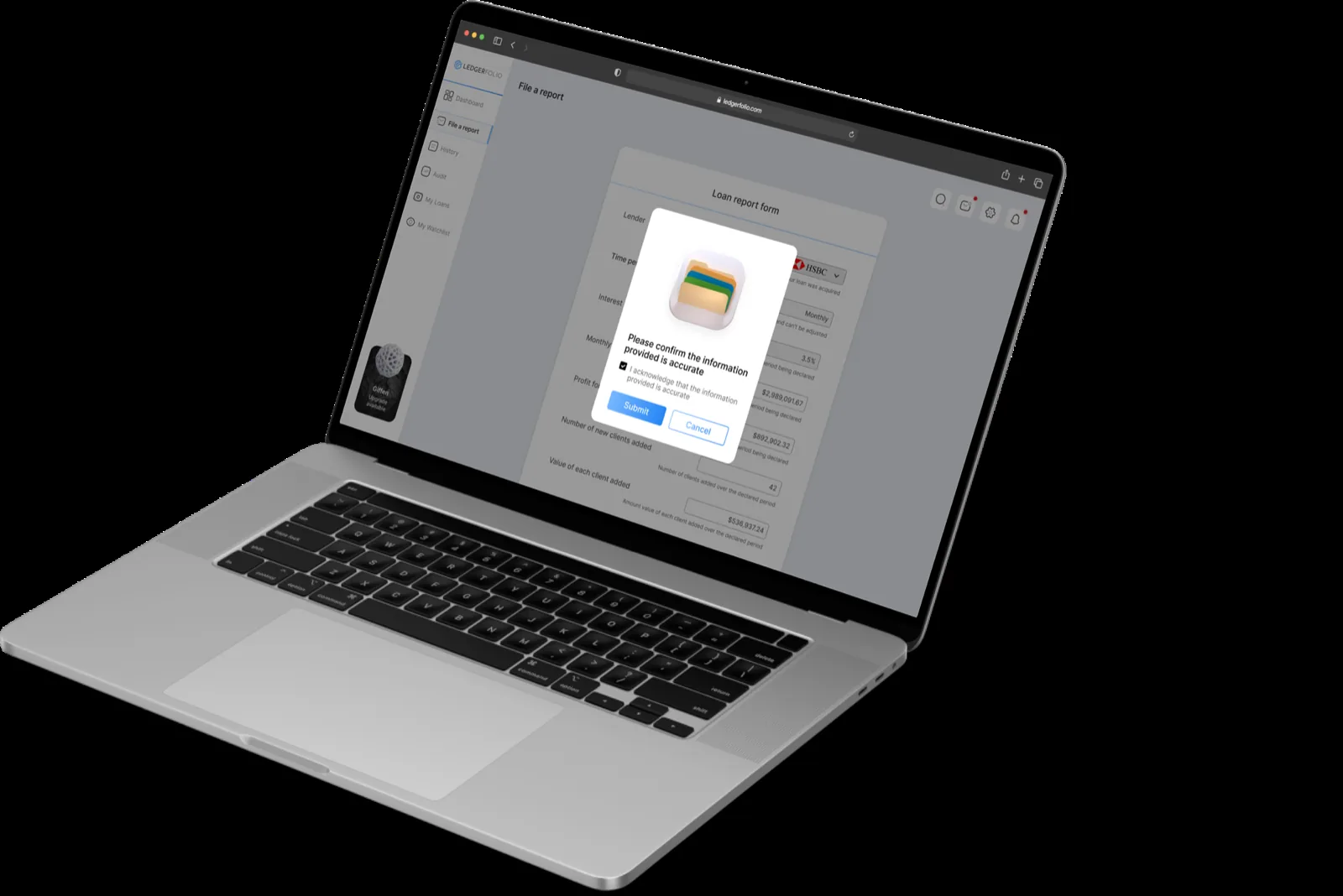
Digitizing a process that had always run on trust meant the interface itself had to earn confidence. Verified trade status indicators, a clear activity feed, and the customizable tiles came together so professionals could see, at a glance, exactly where each trade stood.
Reflection
Having to take a course on loan management and doing loads of research on how the debt administration system works really taught me the importance of having in-depth knowledge not just about the platform you're creating but also the business model behind it. In a bid to become a better designer, one must always seek to acquire new knowledge.